Media — Common Good
Brand advertising creates demand. Shopper converts it. We connect both.
Common Good builds connected acquisition systems for modern CPG — where brand, shopper, retail and creative work together instead of competing for budget and attention.
The Category Problem
Intent gets created upstream and lost before conversion.
That’s what happens when brand, shopper and retail run as separate plans. The same households get hit repeatedly. Reporting tells three different stories. Creative gets built without the retailer realities that drive trial.
Duplicate reach.
The same households. Across disconnected plans.
Fragmented reporting.
Brand, shopper and retail all measured differently.
Creative disconnect.
Assets built without channel or retailer realities.
Lost momentum.
Intent created upstream. Lost before conversion.
Built for CPG
The companies pulling ahead are building tighter systems.
Retail pressure is increasing. Attention is fragmenting. Creative burns out faster. Consumers move fluidly between awareness, consideration and purchase.
The brands creating advantage today are the ones building tighter alignment between brand, shopper, retail and creative — acquisition systems designed around how people actually buy.
That’s what we build.
Retail Integration
Retail media works best when it's connected to what's driving demand.
Too often, retail media gets treated like a lower-funnel efficiency play — disconnected from the brand building that makes it work. The strongest retail programs start long before a shopper reaches shelf. We connect retail media to upstream brand building so awareness, consideration and conversion reinforce each other instead of competing for budget.
Creative in Motion
Media informs what gets made. Creative informs where spend scales.
Most agencies still separate media planning from creative development. We don’t. Retail realities shape messaging priorities. Audience behavior shapes iteration. We build campaigns designed to work across retailers, formats, shopper moments and channels from the very beginning.
Our Work
Media built to move product off shelf.
A look at the connected media systems we build for modern CPG brands.
Common Good media reel — connected acquisition systems for modern CPG brands.
Why Our Media Works
Media buying built for the way CPG actually sells.
Most agencies buy media. We engineer demand. Every channel decision is grounded in consumer behavior data specific to better-for-you CPG — where people shop, what triggers them to switch and exactly when to reach them in the path to purchase.
Channel Intelligence
We match every media dollar to the right channel at the right moment. National reach when you need it, targeted digital when conversion is the goal. No wasted impressions or misaligned placements.
CPG-Specific Attribution
We connect media exposure to in-store and e-commerce sales data through IRI, Numerator and our proprietary MadGood dashboard — so you always know what's working and why.
Real-Time Optimization
Weekly learning loops. In-flight budget shifts. When a placement underperforms, we act within 24 hours, not at the next quarterly campaign review.
The Acquisition Model
One connected plan from impression to shelf.
Four phases. Every one with a clear role: from shared audience strategy to compounding intelligence that gets smarter across every campaign.
Audience Strategy
Shared audience frameworks built across the funnel. Built once, not rebuilt from scratch every campaign.
Connected Channels
Brand, shopper and retail working together. Coordinated messaging, managed frequency, one system.
Journey Measurement
Performance tracked across the entire path to purchase. Every touchpoint from awareness through in-store conversion, measured as one connected system.
Compounding Wins
Winning audiences, messaging and channels scale across campaigns. Every flight gets smarter than the last.
Channel Orchestration
The strongest media systems don't stack channels. They sequence influence.
Each channel plays a distinct role inside one orchestrated strategy — from first impression to repeat purchase.
Audience Orchestration
We plan audiences once. We use them everywhere.
Too many media plans rebuild targeting from scratch campaign after campaign. We build audience frameworks designed to travel — across channels, retailers and campaigns — creating more consistency, less waste and stronger acquisition efficiency.
Media Principles
What we
believe.
— Brand creates demand. Shopper converts it. Retail closes the loop.
— Creative should travel across the funnel.
— Audiences should compound, not reset.
— The best media plans connect impression to shelf.
The Velocity Audit
Intrigued? There's an easy first step.
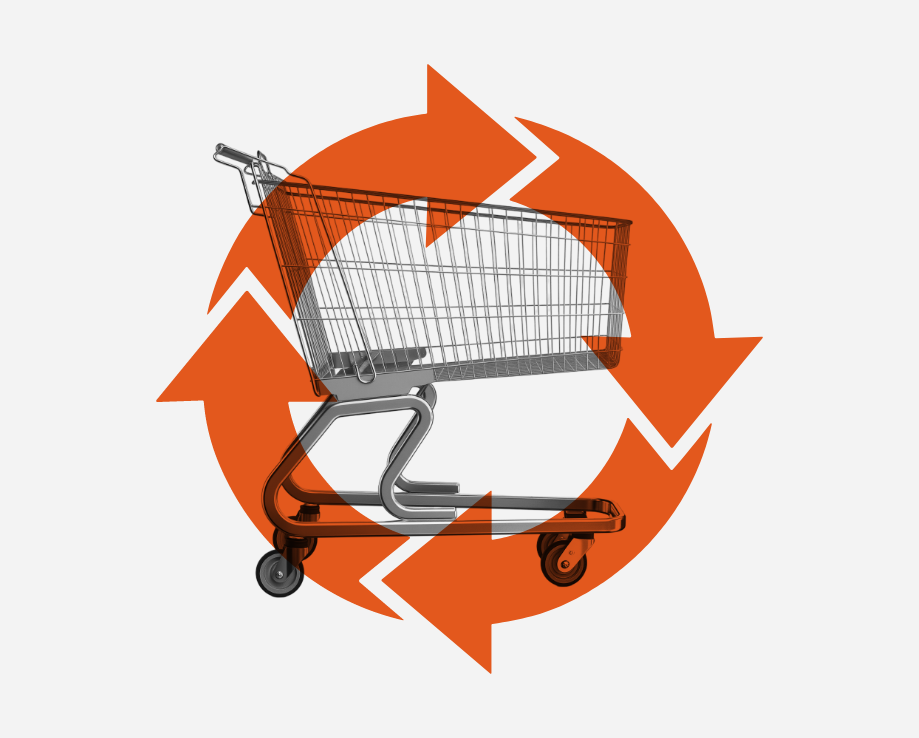
Before any media or strategy work begins, we run a structured diagnostic of your retail performance — the Velocity Audit. It answers the questions that actually matter: what is the product doing at shelf, where is growth coming from and where is spend recycling the same buyers. The output makes every subsequent decision defensible rather than directional. All you need to get started is 12 months of data and 45 minutes.